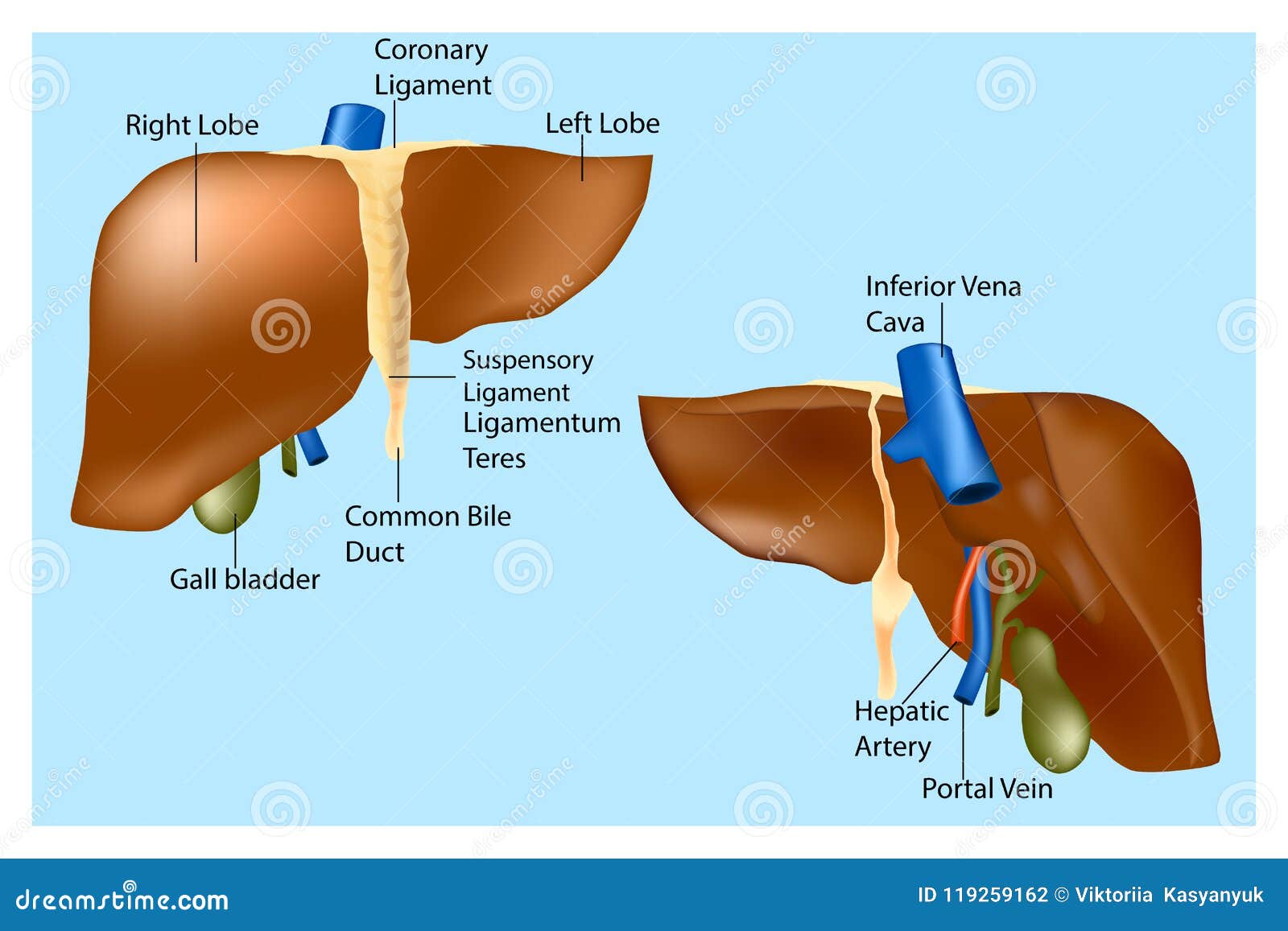
Liver diagram for assignment Human Anatomy Biology Diagrams GENERAL ANATOMY. The liver is the largest organ, accounting for approximately 2% to 3% of average body weight. Ishizaki M, Nemoto M, et al. Close relation between the inferior vena cava ligament and the caudate lobe in the human liver. J Hepatobiliary Pancreat Surg. 2007;14(3):297-301. doi: 10.1007/s00534-006-1148-7.
.jpg)
The liver is a critical organ in the human body responsible for an array of functions that help support metabolism, immunity, digestion, detoxification, and vitamin storage, among other functions. It comprises around 2% of an adult's body weight. The liver is unique due to its dual blood supply from the portal vein (approximately 75%) and the hepatic artery (approximately 25%).
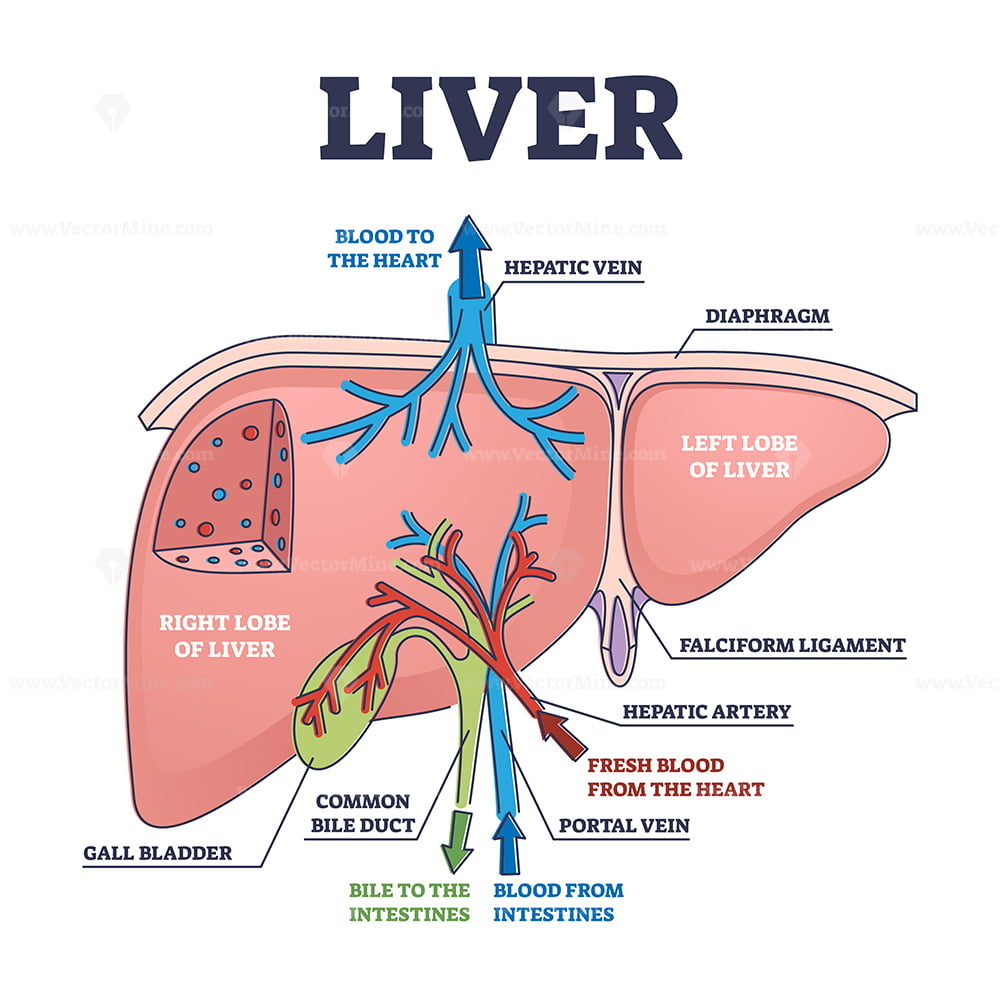
TeachMeAnatomy Biology Diagrams
Fortunately, the liver has an incredible capacity for regeneration of dead or damaged tissues; it is capable of growing as quickly as a cancerous tumor to restore its normal size and function. Anatomy of the Liver Gross Anatomy. The liver is a roughly triangular organ that extends across the entire abdominal cavity just inferior to the diaphragm.

Anatomy of the Liver. The liver is reddish-brown and shaped approximately like a cone or a wedge, with the small end above the spleen and stomach and the large end above the small intestine. The entire organ is located below the lungs in the right upper abdomen. It weighs between 3 and 3.5 pounds.
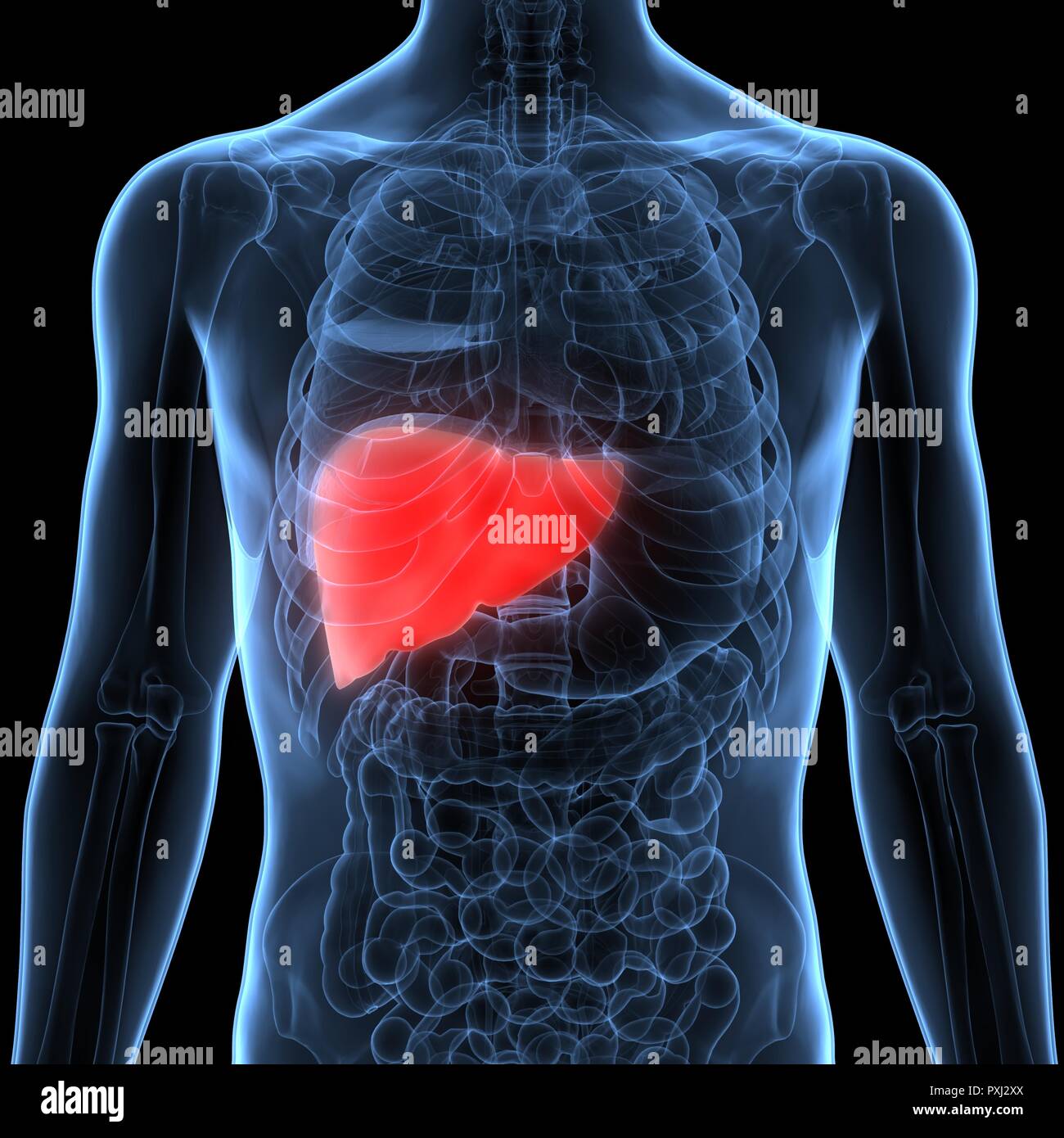
The Liver: Anatomy and 3D Illustrations Biology Diagrams
Liver anatomy consists of two main sections, called lobes, but it's much more than that. It is made up of many parts that handle over 300 important jobs for your body. In this article, we will explore the liver anatomy with its position in the body, its structure, and how it is supplied with blood and nerves.